Extreme weather and UK impacts
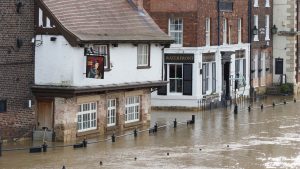
Due to climate change, we expect a marked increase in weather events like the extreme flooding across central Europe in summer 2021, and recent heatwaves such as the record-breaking UK temperatures in 2022.
CANARI will take a holistic approach to quantify these future changes by combining insight from our new model simulations with recent scientific advances. We will focus on five specific types of extreme weather and their impacts on the UK:
- Inland flooding. There is growing evidence that flood frequency is increasing in many parts of the UK. Extreme rainfall is expected to increase due to warmer temperatures, but it is unclear how changes in the North Atlantic atmospheric circulation (e.g. the strength and position of the jet stream) and storm characteristics (e.g. the intensity, size and frequency of extratropical cyclones) will affect inland flooding.
- Extreme winds. The extent to which wind extremes may change in future remains highly uncertain as climate models poorly represent the key processes involved. Changes in mesoscale structures in extratropical cyclones, such as sting jets and the possible future increase in post-tropical cyclones, are two of the phenomena of particular relevance to the UK.
- Heatwaves. Recent summers have seen several notable heatwaves in the UK. Heatwaves are primarily associated with persistent summer anticyclonic blocking, whilst their impacts (e.g., on human health) are amplified by drier soils and urban heat islands. As the climate warms, the frequency of heatwaves is projected to increase, however, there is considerable uncertainty in how changes in blocking, summer rainfall. and drier soils will impact on the severity of heatwaves.
- Drought. There is growing demand for robust drought information for water resource planning. To meet this demand, we require better capabilities to assess severe drought risk (e.g. multi-century climate simulations) and an improved understanding of the changing nature of drought. This includes multiannual droughts that affect the southeast UK (e.g. chalk aquifers) and short duration, intense droughts that mostly affect the west.
- Shelf seas. The UK’s shelf seas act to regulate climate via the uptake of carbon dioxide, and provide a food resource. Changes in exchange between the deep ocean and the shelf seas, and in the temperature of the shelf seas themselves, can strongly influence their net primary productivity, with consequences for eutrophication and fisheries production. Understanding the impact of climate change on the UK’s shelf seas is essential to securing clean, productive seas in the future.
Related News

December 05, 2025
Review of the climate change impacts on ocean circulation relevant to the UK and Ireland
CANARI researchers contributed to a review of the latest research on the Atlantic Meridional Overturning Circulation (AMOC)…
December 04, 2025
CANARI researchers inform parliamentary inquiry on drought preparedness
CANARI researcher provides evidence to the House of Lords Environment and Climate Change Committee …
December 03, 2025
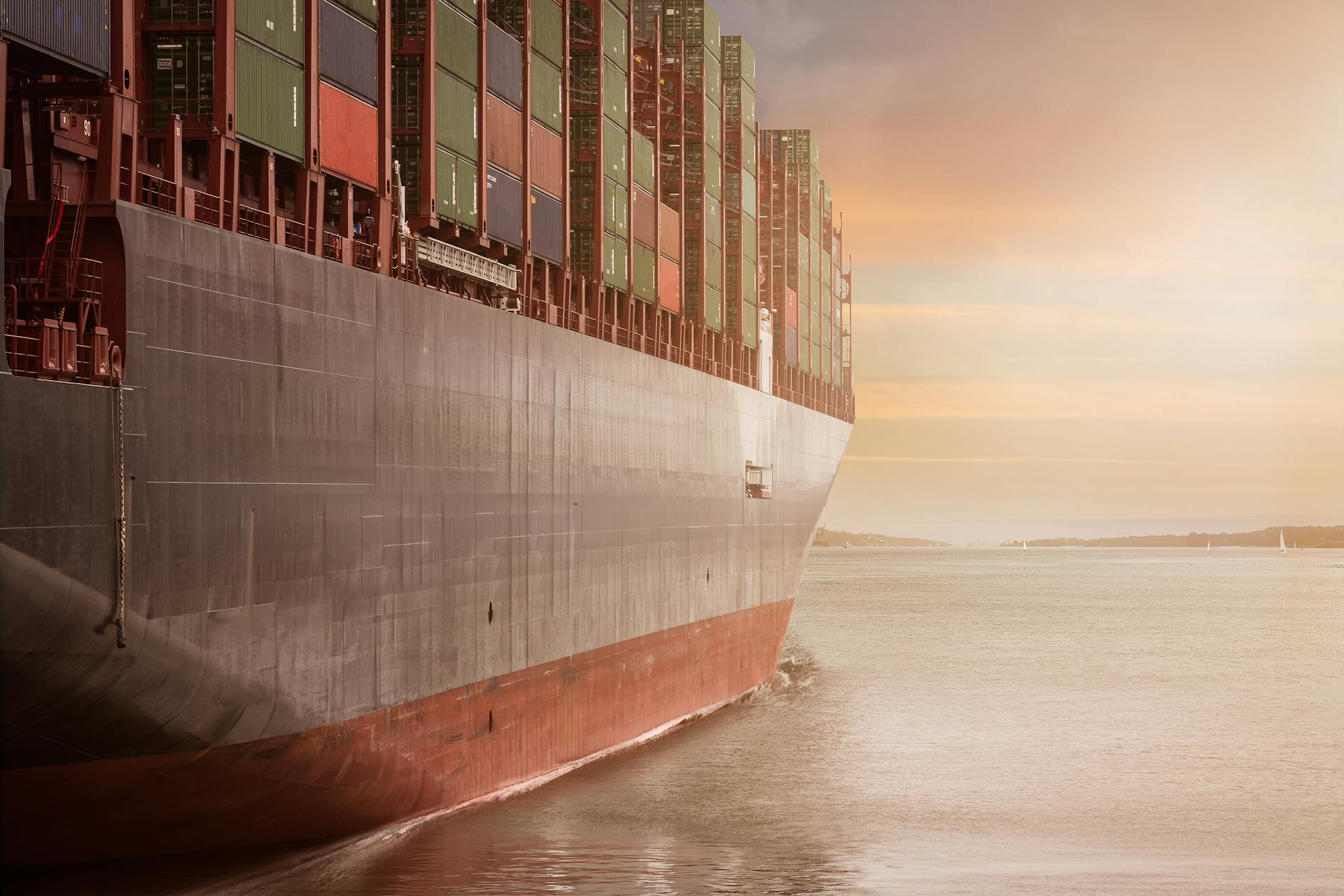
CANARI’s Role in Understanding Arctic Climate Risks
Melting ice opens new trade opportunities, but it also heightens environmental and safety risks, including the potential for severe storms….