CANARI researchers inform parliamentary inquiry on drought preparedness
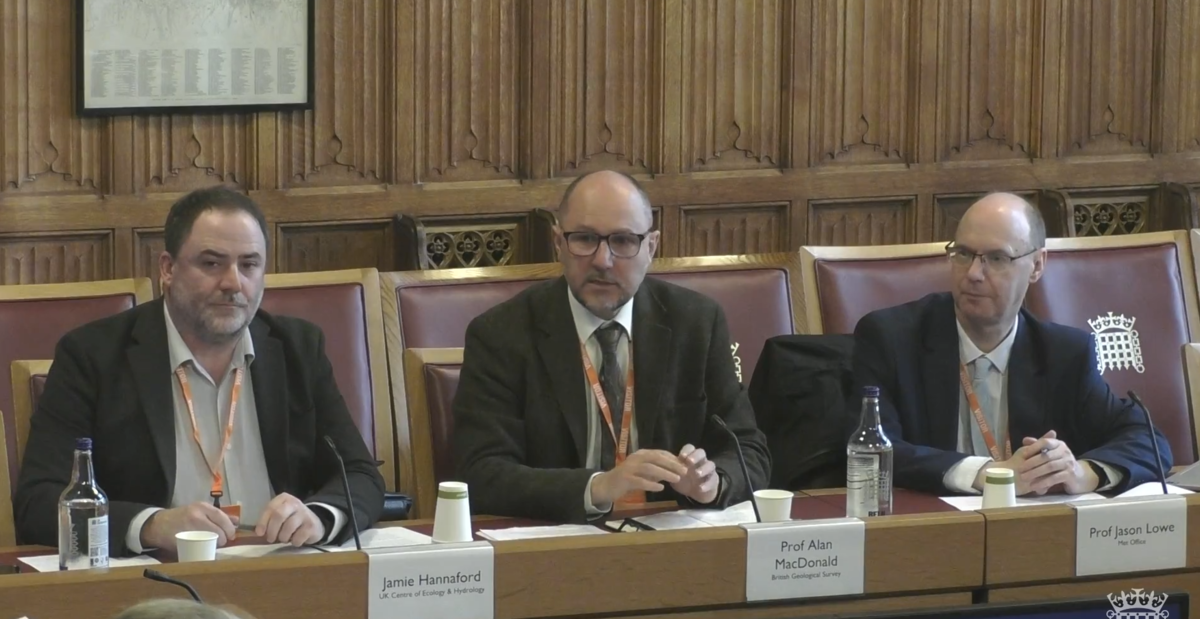
UKCEH principal hydrologist and CANARI Work Package 2 Co-Lead Jamie Hannaford joined the House of Lords Environment and Climate Change Committee on 12th November to discuss drought preparedness in the UK. Jamie joined fellow panellists Prof Alan Macdonald from the British Geological Survey and Prof Jason Lowe from the Met Office, both key institutional partners within CANARI.
Launched after the record dry spring followed by the hottest summer on record in 2025, the committee aims to assess England’s current drought risk, and evaluate how well monitoring, planning, and responses can manage a growing risk of future droughts in a warming climate.
On drought monitoring, Jamie highlighted the dense network of hydrological observations in the UK and the range of well-developed systems for hydrological status monitoring and seasonal forecasting by UKCEH and its partners, including the UK Hydrological Outlook and Hydrological Summaries.
The growing risk of future droughts was discussed, with the panel agreeing on the high confidence that hot and dry summers in the future is likely to worsen hydrological droughts, with implications for water supply and the environment. Jamie further highlighted the scientific insights in the Environment Agency “Review of the research and scientific understanding of drought” report, which many CANARI researchers contributed to.
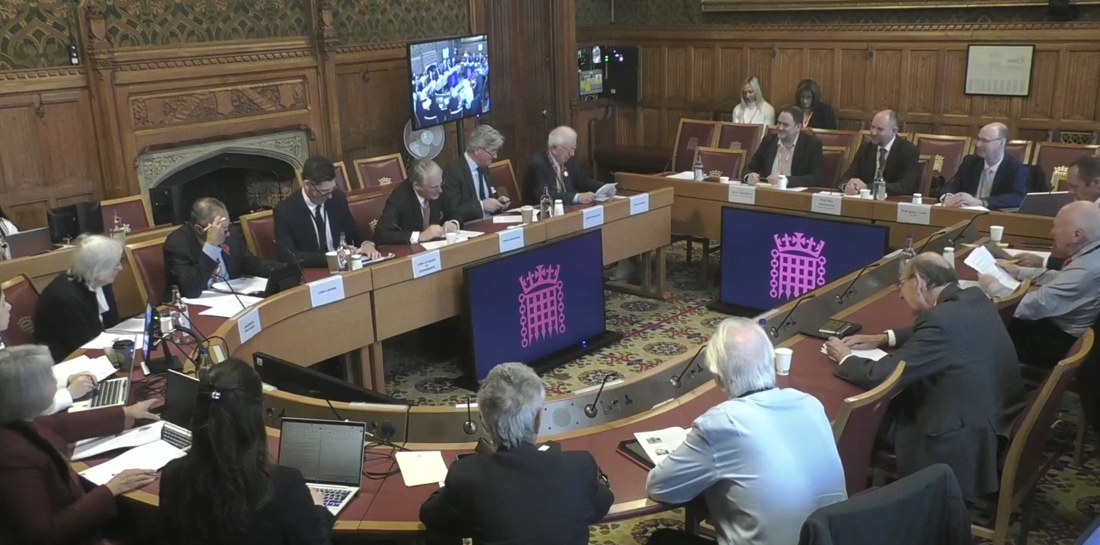
UKCEH CANARI researchers (Jamie Hannaford, Lucy Barker, Wilson Chan, Amulya Chevuturi, Rosie Lane and Alison Kay) further contributed written evidence to the committee. They emphasized the strong monitoring capabilities of hydrological status, highlighting advances in new understanding of long-range drought predictability stemming from the CANARI project. The committee also heard about the need for better drought risk assessments by utilising state-of-the-art large ensemble simulations of present-day and future climates, reflecting new scientific advances in the CANARI climate model simulations and the development of novel climate storyline approaches to create plausible worst-case droughts to inform climate adaptation.
A recording and transcript of the committee inquiry session can be found here. Written evidence from UKCEH can be found here.